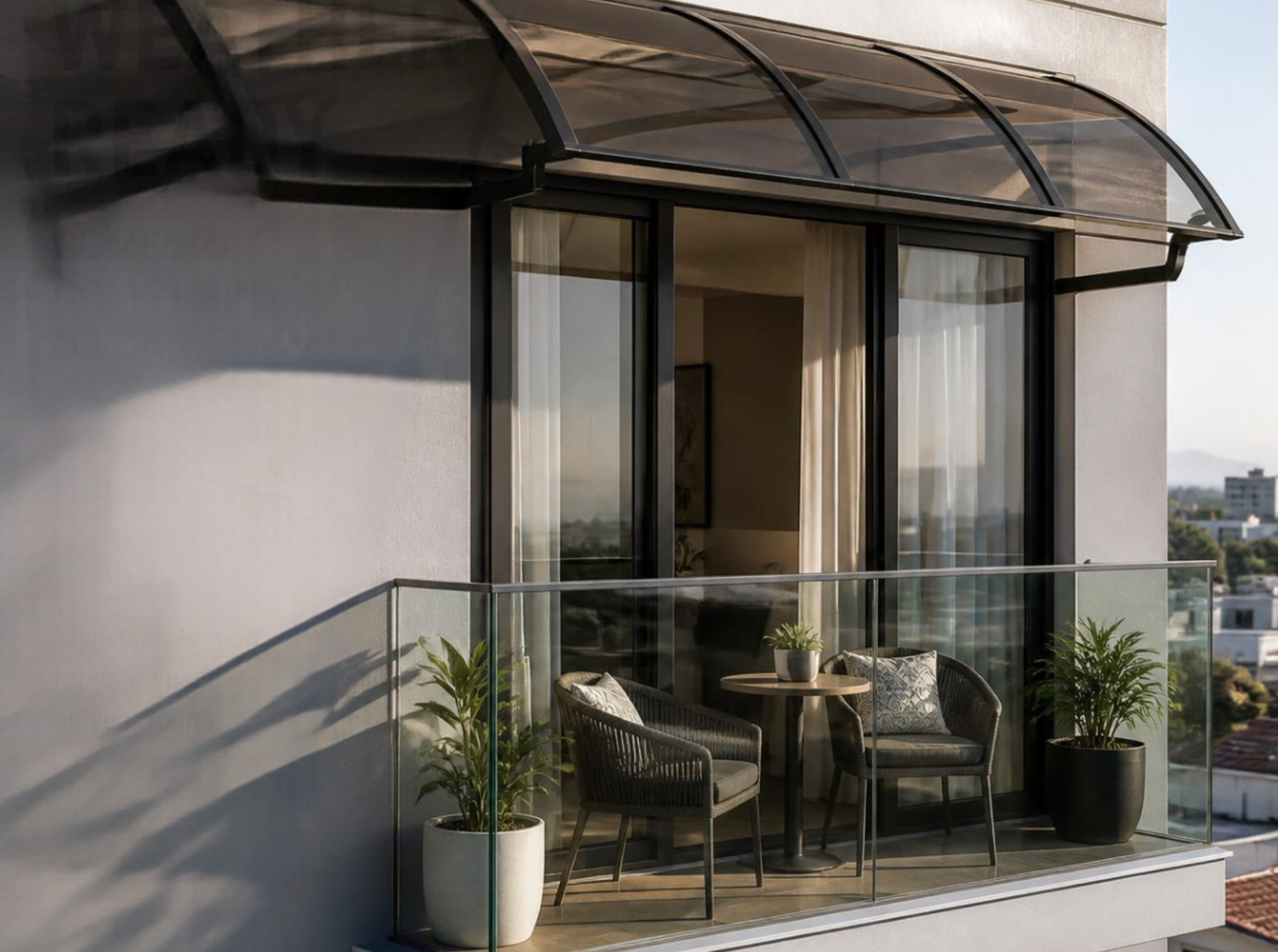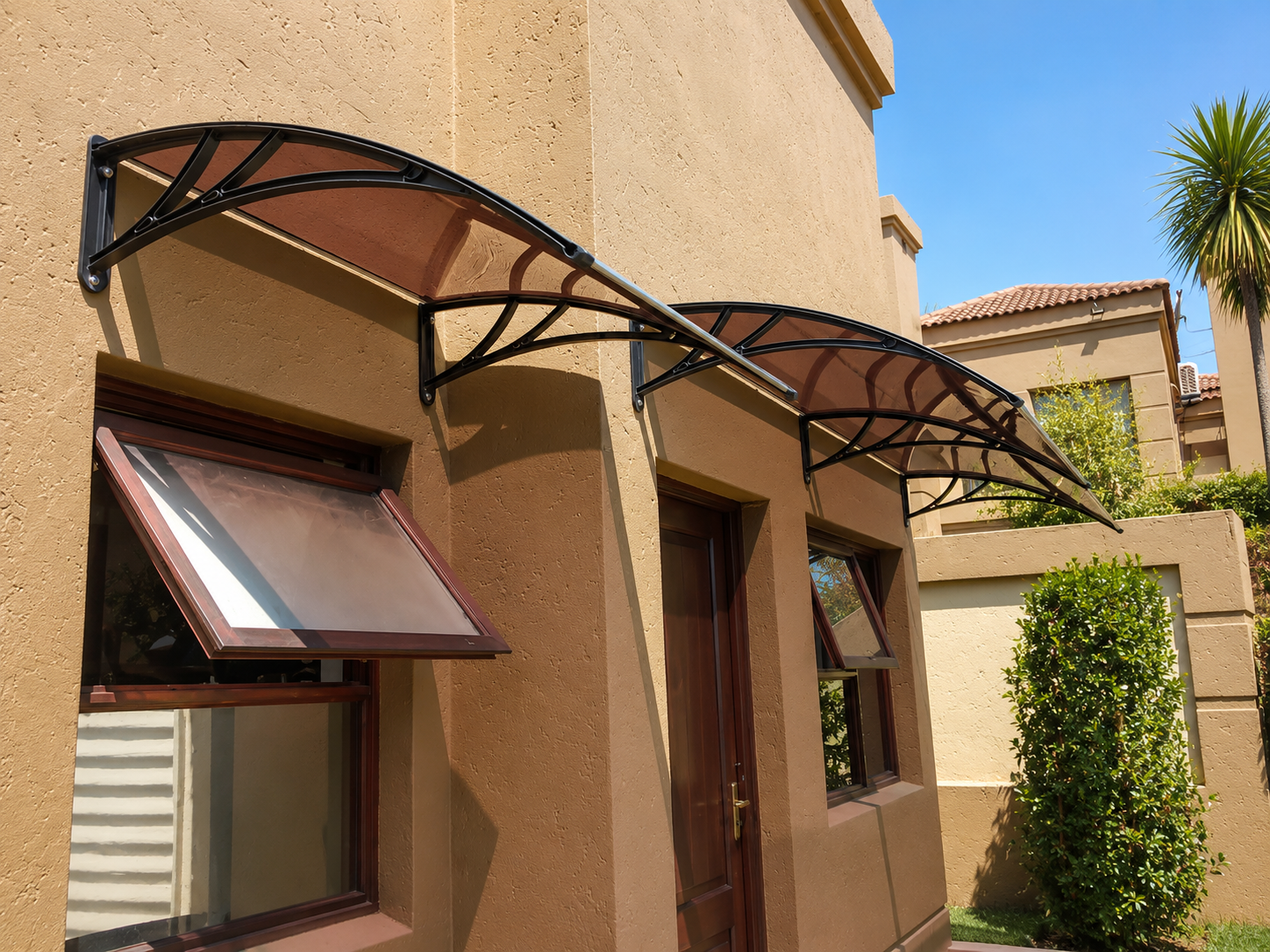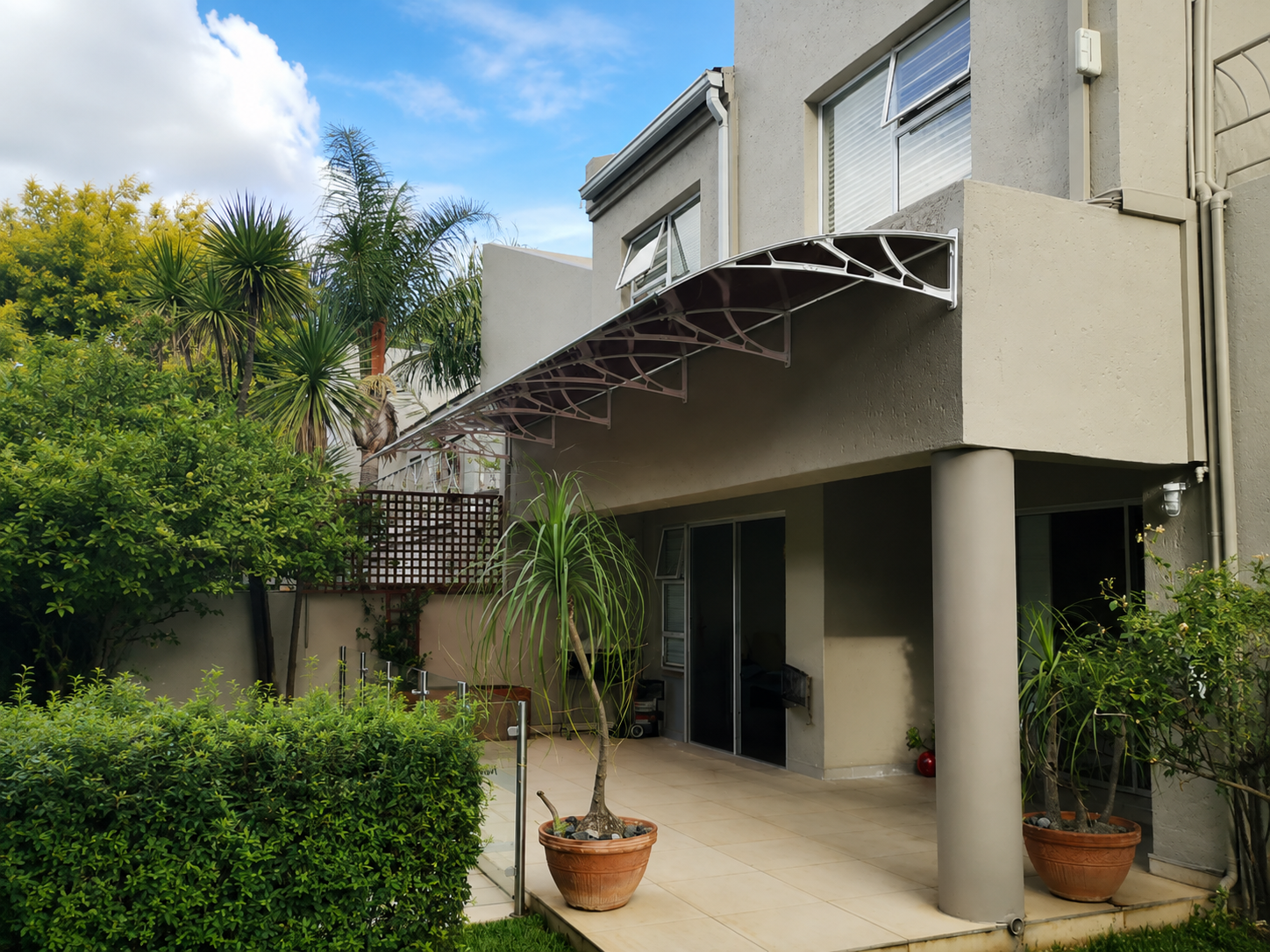
Awning Maintenance South Africa: How to Prepare Your Awnings for Summer Rain, Heat & Storms
An awning spends its entire life outside.
Day after day, it is exposed to sunlight, dust, wind, rain, leaves, bird droppings and the changing South African climate.
That's exactly what it is designed for.
But durable doesn't mean maintenance-free.
A little preventative care can help keep your awning looking good and gives you an opportunity to identify loose fixings, accumulated debris or damage before they become bigger problems.
And October is an excellent time to do it.
As temperatures rise and summer approaches, a simple inspection and clean can prepare your awnings for the months ahead.
Here's what to check.
Why Awning Maintenance Matters
Most awning maintenance isn't complicated.
The objective is primarily to keep the covering clean, make sure water can move freely from the surface and check that the supporting structure remains secure.
Regular inspection can also reveal small issues that are easy to overlook from ground level.
These might include:
- Leaves trapped against the wall
- Dirt accumulating along edges
- Bird droppings or organic residue
- Loose fasteners
- Damaged sheeting
- Movement around brackets
- Sealant deterioration around fixing points
- Damage following severe weather
Finding these issues early is preferable to discovering them during the next heavy downpour.
How Often Should You Inspect Your Awnings?
There is no universal maintenance interval for every property.
An awning beneath trees may collect debris much faster than one installed on an open façade. Coastal, dusty, industrial and high-rainfall environments can also create different maintenance requirements.
A sensible approach is to visually inspect the awning periodically and perform a more thorough check before periods of demanding weather.
It is also worth inspecting an awning after significant hail, unusually strong winds or another severe weather event.
Reboss's care guidance for its custom dome awnings recommends periodic cleaning, annual inspection of frame fixings and inspection of the sheeting following significant hail. Reboss
Step 1: Start With a Visual Inspection
Before cleaning anything, stand back and look at the complete installation.
You're looking for changes.
Does the awning appear to be sitting at the same angle as before?
Is the covering properly seated?
Are the brackets aligned?
Can you see cracks, chips or obvious damage?
Is debris collecting where the awning meets the wall?
If something looks noticeably different, investigate it before cleaning.
Do not climb onto or place weight on the awning itself.
For high installations, use an appropriate safe access method or arrange professional inspection rather than trying to reach the canopy unsafely.
Step 2: Remove Loose Leaves and Debris
Leaves, twigs and other organic material can accumulate on or around an awning, particularly where trees overhang the building.
Remove loose debris carefully.
The goal is to avoid scraping the surface.
Use gentle methods rather than hard tools that could scratch acrylic or polycarbonate.
Pay particular attention to areas close to the wall and frame where small leaves can become trapped.
Removing this material also makes it easier to see the actual condition of the sheeting underneath.
Step 3: Rinse Away Dust
South African properties can accumulate a surprising amount of dust during dry periods.
Start cleaning with clean water to loosen and remove surface dust.
This is important because rubbing a heavily dust-covered surface immediately with a cloth can potentially drag abrasive particles across the material.
A gentle rinse first removes much of that loose contamination.
Reboss's published maintenance guidance for dome awnings recommends periodic cleaning with clean water and a soft cloth. Reboss
Step 4: Clean Stubborn Marks Gently
Some marks won't disappear with water alone.
Bird droppings, pollution and organic residue may need a little more attention.
Reboss recommends mild dish soap for stubborn marks on its acrylic and polycarbonate dome-awning sheeting, followed by thorough rinsing. Reboss
Use a soft cloth rather than an abrasive pad.
Don't attack a stubborn mark aggressively.
Allowing water and mild soap a little time to soften the contamination is preferable to heavy scrubbing.
What Should You NOT Use on Acrylic or Polycarbonate?
This is particularly important.
Reboss's existing care guidance specifically warns against using abrasive cleaners or solvents on awning sheeting because these can scratch the surface and damage its protective properties. Reboss
Avoid assuming that a powerful household or automotive cleaner is safe simply because it removes dirt effectively.
The goal isn't just to make the awning clean today.
It's to clean it without compromising the material.
When in doubt, use the gentlest appropriate method and check the care requirements for the specific material installed.
Acrylic Awning Maintenance
Acrylic is popular because of its clean appearance and optical clarity.
That clarity also means scratches and marks can be more noticeable.
Gentle cleaning is therefore especially important.
For routine care:
- Remove loose debris.
- Rinse away surface dust.
- Use a soft cloth.
- Use mild soap only where necessary.
- Rinse thoroughly.
- Allow the surface to dry naturally.
Avoid abrasive pads and solvent-based cleaners.
The same approach helps preserve the clean architectural appearance that makes acrylic attractive in the first place.
Polycarbonate Awning Maintenance
Polycarbonate awnings benefit from much the same basic care philosophy.
Remove debris, rinse away dust and clean the surface gently.
Multiwall polycarbonate is used across Reboss's current range, with the company highlighting its strength, UV protection and impact resistance. Reboss
Even a durable material should still be treated carefully during cleaning.
Pay attention to edges and frame areas where dirt may accumulate, and inspect the sheeting for any visible changes following severe weather.
Step 5: Check Water Run-Off
An awning needs to shed water effectively.
While inspecting it, look for anything that might interfere with normal run-off.
Leaves and debris should not be allowed to build up in places where they could obstruct water movement.
Also look at what happens beneath the awning.
Are there unusual water marks on the wall?
Does water appear to be tracking back toward fixing points?
Has anything changed since the installation?
If you notice persistent water behaviour that doesn't look right, it's worth having the installation checked.
Step 6: Inspect Brackets and Fixings
The covering receives most of the visual attention, but the brackets and fixings are critical to the installation.
Look for obvious movement or changes around the mounting points.
Reboss's dome-awning maintenance guidance recommends an annual inspection of frame fixings to ensure anchor bolts and brackets remain secure. Reboss
Do not simply tighten every fixing indiscriminately.
If a bracket appears loose or the wall around an anchor shows cracking or movement, the underlying cause should be identified.
This is particularly important because different wall materials require different fixing approaches.
The Reboss DIY installation guide explains that brick, concrete, lightweight block and cavity walls have different anchoring requirements. Reboss
Step 7: Look Around the Wall Fixings
While you're examining the brackets, inspect the wall immediately around them.
Look for:
- Cracks
- Loose plaster
- Movement
- Gaps around penetrations
- Signs of water ingress
- Deteriorated sealant
The condition of the mounting surface matters just as much as the condition of the awning.
A perfectly good bracket cannot perform properly if the substrate holding it has deteriorated.
What Should You Check After a Storm?
After unusually severe weather, carry out a quick visual inspection.
You don't necessarily need to clean the awning again.
Simply check whether anything has changed.
Look for:
Sheeting damage: Cracks, chips or obvious impact marks.
Bracket movement: Any visible change in alignment.
Loose components: Parts that appear to have shifted.
Debris: Branches or other material resting against the awning.
Wall damage: Cracking or movement around mounting points.
Reboss specifically recommends inspecting dome-awning sheeting following significant hail events. Reboss
If you're unsure whether damage is cosmetic or structural, get professional advice before attempting a repair yourself.
What About Strong Wind?
A fixed awning has an advantage over fabric systems in that there is no fabric canopy to retract before weather arrives.
However, any externally mounted structure is affected by wind loads.
That's why correct installation and appropriate wall fixings are so important.
If an awning shows unusual movement after strong winds, don't ignore it.
Inspect the brackets and mounting points from a safe position and seek assistance if anything appears loose.
Don't Forget Awnings Above Doors
Door awnings can be easy to overlook because they're often smaller than patio installations.
But they're positioned over an area people regularly walk beneath.
Keep them free from debris and periodically inspect their fixings.
The same applies to awnings over pathways and commercial entrances.
Areas with regular pedestrian traffic deserve particular attention because any structural concern should be addressed promptly.
Commercial Awning Maintenance
Commercial properties should consider incorporating awnings into their normal exterior maintenance inspections.
This is especially relevant where awnings are positioned over:
- Customer entrances
- Shopfronts
- Outdoor seating
- Walkways
- Staff entrances
- Parking access routes
A simple inspection schedule makes it easier to identify changes over time.
It also means maintenance can be planned rather than becoming an emergency repair.
When Should You Call a Professional?
Basic cleaning can often be handled by the property owner.
Structural concerns are different.
Consider professional assistance if:
- A bracket has moved
- An anchor appears loose
- The surrounding wall is cracking
- The sheeting is significantly damaged
- The awning has changed position
- Several connected units are no longer aligned
- The installation is difficult to access safely
- You're uncertain whether storm damage has affected the structure
Avoid turning a small problem into a larger one by drilling additional holes or modifying the structure without understanding the cause.
A Simple Summer Awning Checklist
Before summer weather arrives, give your awnings a quick check:
- Remove leaves and debris
- Rinse away dust
- Clean stubborn marks gently
- Avoid abrasive cleaners and solvents
- Check the sheeting for visible damage
- Check that water can run off normally
- Inspect brackets and fixing points
- Look for deterioration around wall penetrations
- Inspect again after severe hail or wind
- Arrange professional assistance if anything appears structurally wrong
It doesn't need to be complicated.
A small amount of preventative attention can help keep the installation clean and give you confidence that everything appears as it should before demanding weather arrives.
Look After the Awning That Looks After Your Property
Reboss awnings are designed for outdoor use in South African conditions, using materials including multiwall polycarbonate, acrylic, PolyComposite components and aluminium bracket systems. Reboss
Good materials still benefit from sensible care.
Regular cleaning, occasional inspection and prompt attention to damage will help preserve both the appearance and function of your awning.
And if you discover something you're uncertain about, the safest approach is simple: ask before attempting a structural repair yourself.
Frequently Asked Questions
How do I clean a polycarbonate awning?
Begin with clean water to remove loose dirt, then use a soft cloth. For stubborn marks, Reboss's published care guidance recommends mild dish soap followed by thorough rinsing. Avoid abrasive cleaners and solvents. Reboss
Can I use household cleaner on an acrylic awning?
Don't assume a general-purpose cleaner is suitable. Reboss advises against abrasive cleaners and solvents on its awning sheeting. Clean water, a soft cloth and mild dish soap for stubborn marks are the safer approach described in its current guidance. Reboss
How often should awning brackets be checked?
The appropriate frequency depends on the installation and environment. Reboss's dome-awning guidance recommends annual inspection of frame fixings, as well as inspection after significant hail. Reboss
Should I inspect my awning after hail?
Yes. A visual inspection after significant hail is sensible, particularly to check the sheeting for impact damage. Reboss explicitly recommends this for its dome awnings
RELATED POSTS